architecture and design

casa juncosa

casa juncosa

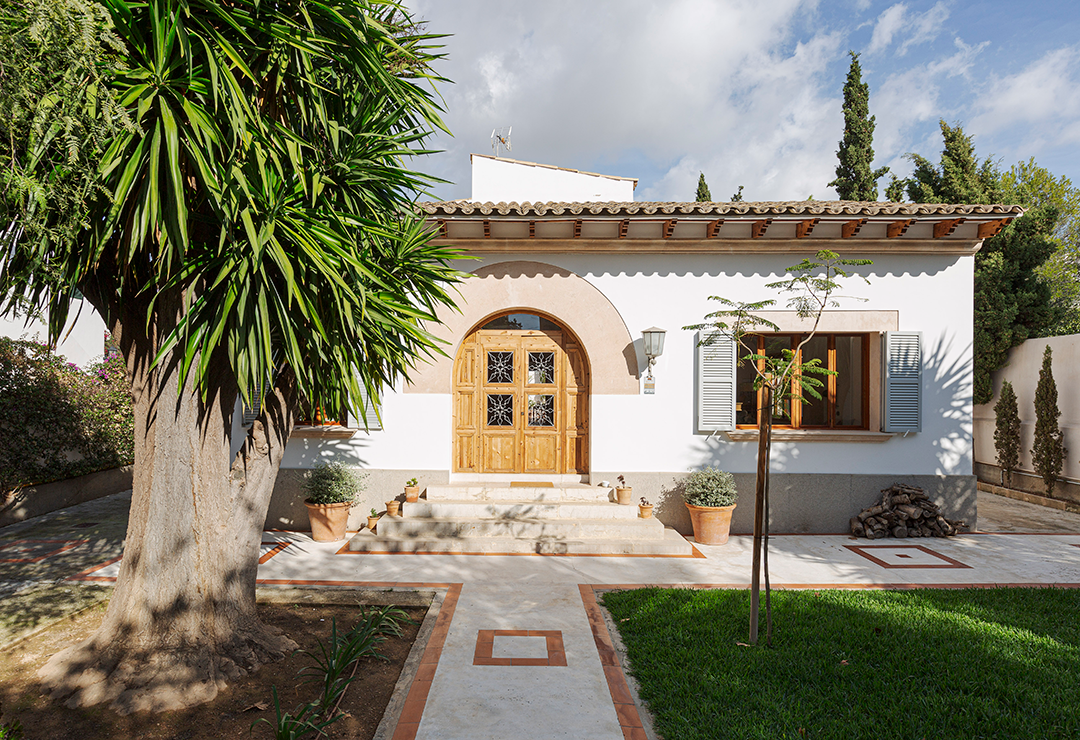
Rehabilitation of a single-family home built in 1950.


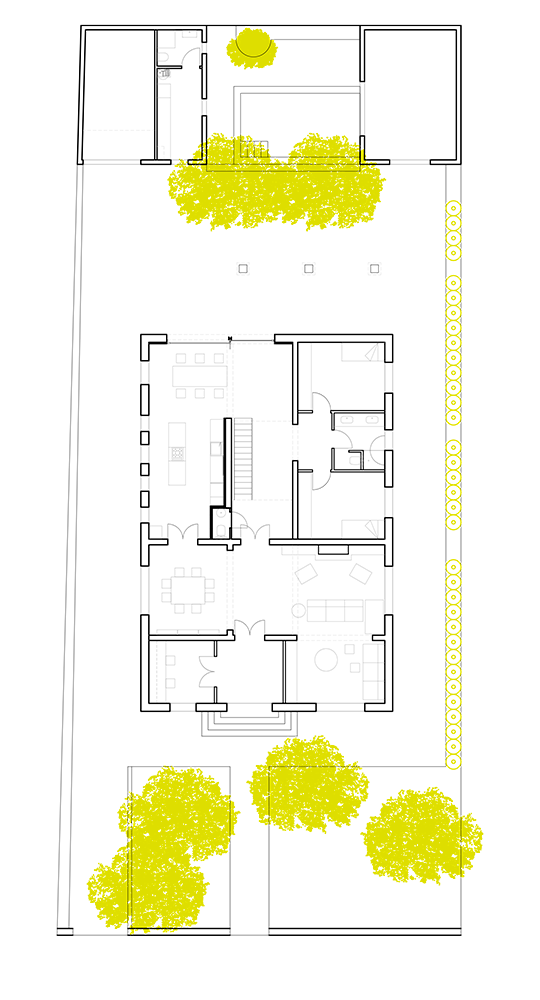
In the first two structural bays of the house, the intervention is minimal. Existing layouts and elements (woodwork and other decorative features) are respected.


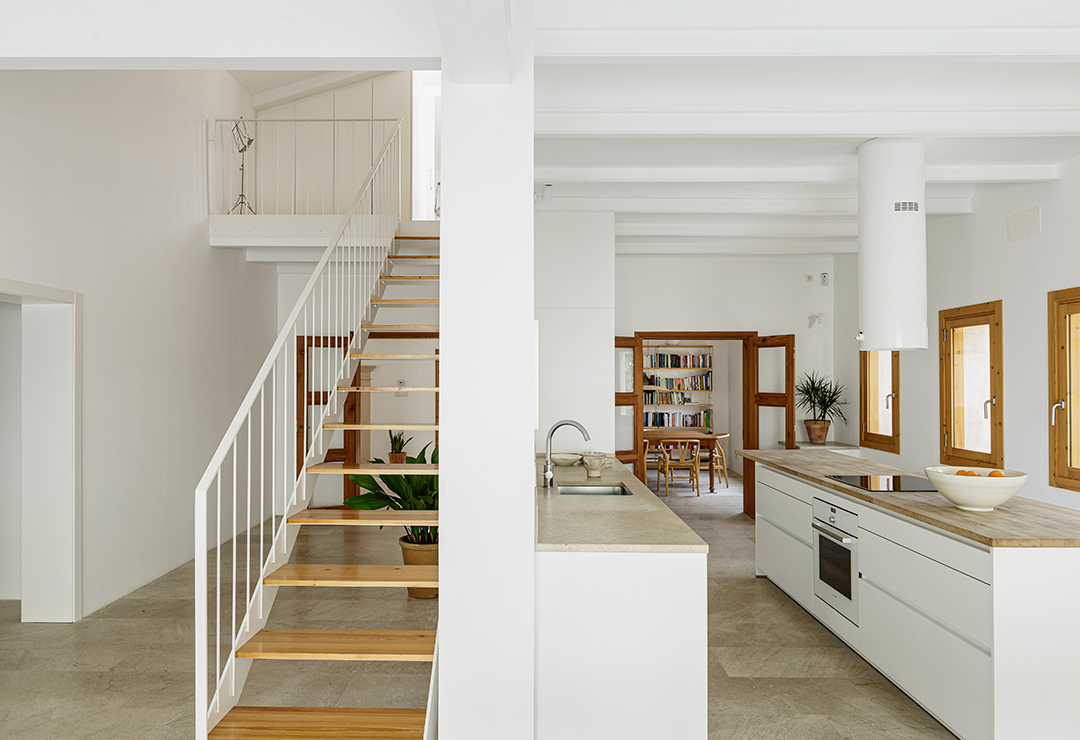
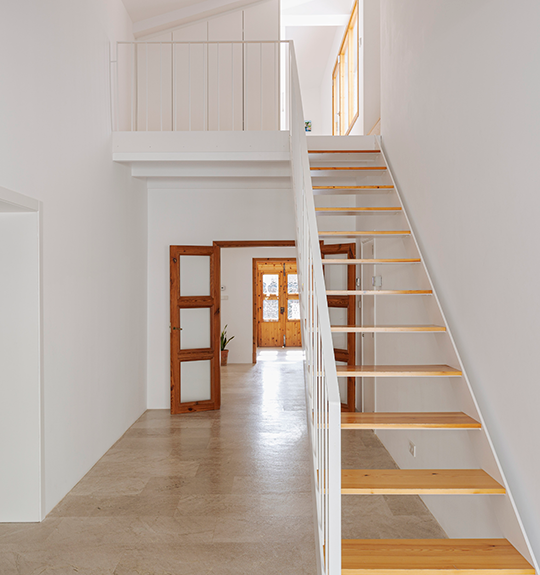
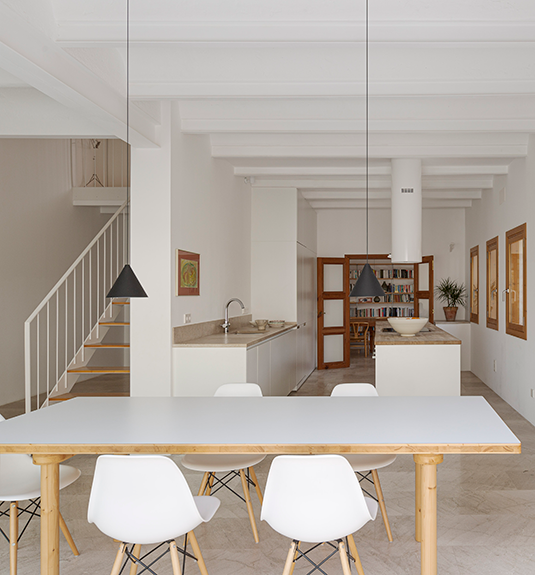
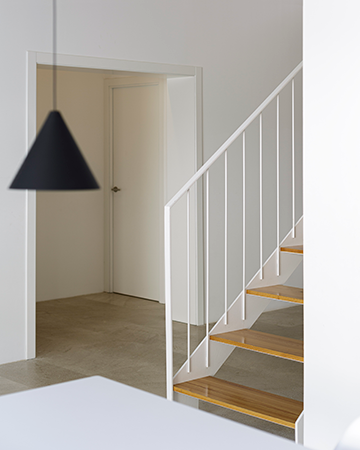
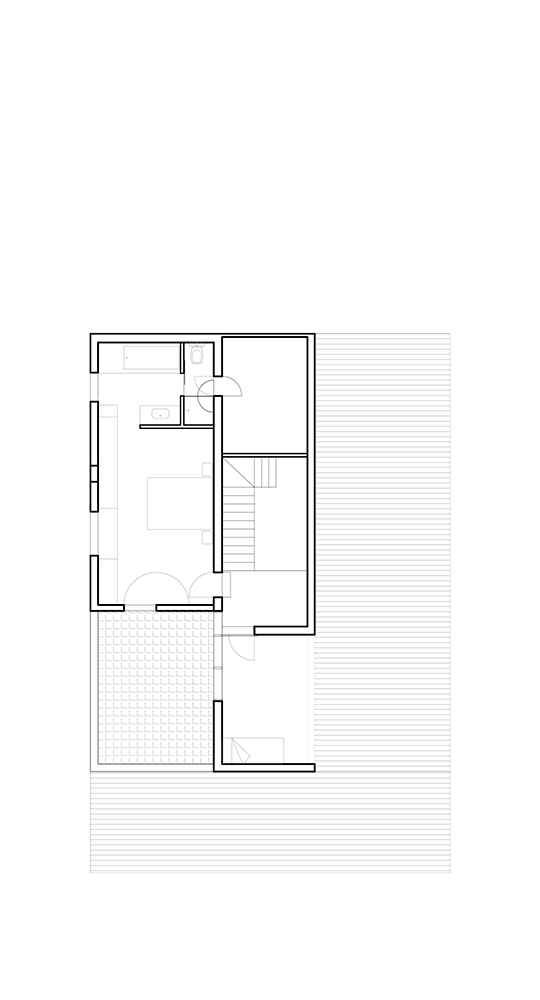
In the third and final bay, the interior layouts are reconsidered. The original small rooms are unified, creating new, spacious areas. Existing elements (woodwork, staircase) are replaced with new ones.


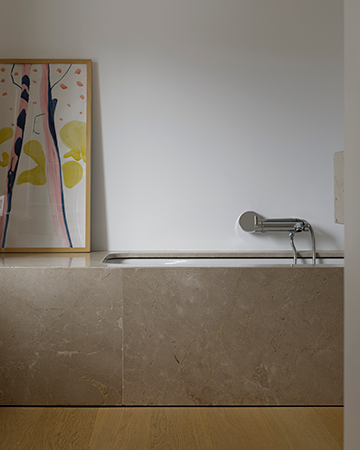
Limestone paving will be the new flooring for the house. The continuity of this material links the spaces, giving unity to the project.


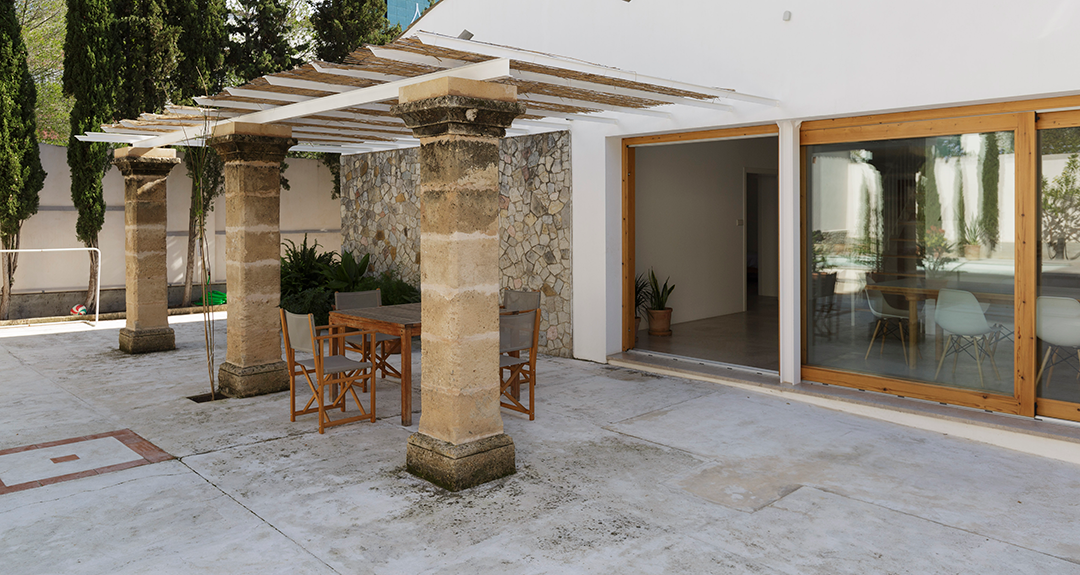
A large window opens onto the rear facade, allowing light to flood the interior of the house. The garden and interior spaces are clearly defined.


reedy house

Rehabilitation of a single-family home built in 1950.


Minimal intervention is made in the first two structural sections of the house. Existing layouts and elements (carpentry and other decorative elements) are respected.


In the third and last section, the interior layouts are reconsidered. The original small rooms are unified and new, large spaces appear. The existing elements (carpentry, staircase) are replaced by new ones.


A limestone pavement will be the new floor of the house. The continuity of this material links the spaces, giving unity to the project.


A large window opens on the rear facade, letting light into the interior of the house. The garden and the interior spaces have become friends.


reedy house

Refurbishment of a stand-alone home constructed in 1950.


In the first two structural bays of the home, intervention is minimal. Existing elements (carpentry and decorative elements) and distribution are preserved.


In the last and final bay, the interior distribution has been carefully reconsidered. The original small living spaces have been unified and new spaces appear allowing greater openness. Existing elements (carpentry, stairs) have been substituted by new ones.


Tiles of calcareous stone have become the new floor. The continuity of this material joins the spaces giving unity to the project.


In the posterior facade, a large window allows daylight into the inside of the home. The garden and the inside spaces – once estranged from each other – have been lovingly brought together.


 Location: Palma, Mallorca

 Any: 2015

 Photographs: Jaume Rebassa